


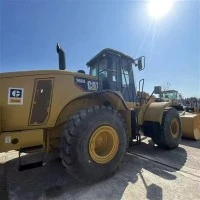


If you’ve ever stood next to a John Deere 544 Wheel Loader at a construction site, a mining operation, or a farm equipment yard, you know how critical its hydraulic system is to getting the job done. This machine isn’t just metal and motors—it’s a finely tuned tool that relies on its hydraulic system to lift heavy loads, angle buckets, and power every auxiliary function. As a John Deere 544 Wheel Loader supplier, I’ve worked with hundreds of operators and fleet managers over the years, and one question comes up more than any other: “How do I keep this hydraulic system running like new, even after long days in dusty, muddy, or freezing conditions?” The truth is, maintaining your John Deere 544’s hydraulic system isn’t rocket science—it’s about consistent, intentional habits that address wear before it becomes a costly breakdown. I’ve seen operators skip these steps and end up stranded mid-job, missing deadlines and eating into profits. I’ve also seen fleets that stick to a solid maintenance plan, keeping their 544s running smoothly for 10,000+ hours without major hydraulic issues. Let’s break down what you need to know.
First, start with the basics: your hydraulic fluid. This is the lifeblood of the system, and it’s easy to overlook how much it matters. Most John Deere 544 manuals specify a premium hydraulic fluid with the right viscosity for your operating temperature, but I’ve seen people cut corners using generic fluid to save a few bucks. That’s a mistake. The wrong viscosity can cause sluggish operation in cold weather or overheating in hot conditions, and generic fluids often lack the anti-wear additives and corrosion inhibitors designed to protect Deere’s precision components. When you check fluid levels, don’t just look at the dipstick—check the fluid’s condition too. Hydraulic fluid should be clear, amber-colored, and free of metal shavings or sludge. If it’s dark, gritty, or smells burnt, it’s time for a flush and change. I recommend changing hydraulic fluid every 1,000 hours of operation, or immediately after a dusty job where the air filter might have let in contaminants. A side note: if you’re comparing John Deere 544 to other loaders, keep in mind that every machine has specific fluid needs. For example, some older models of the Caterpillar 966 Wheel Loader require a different fluid blend, so always consult your machine’s manual, not generic advice.
Next, filter maintenance. Filters are the first line of defense against dirt and debris, which are the #1 cause of hydraulic system failures. Your John Deere 544 has several filters: a suction filter, a pressure filter, and a return filter. Each has a job, and each needs to be changed on schedule. The suction filter sits near the hydraulic pump, pulling fluid from the reservoir. If this filter gets clogged, it can starve the pump of fluid, leading to cavitation—noise, vibration, and eventually pump damage. The pressure filter, on the other hand, catches smaller debris as it moves through the high-pressure lines, so it’s critical for protecting valves and cylinders. Most operators only change the pressure filter, but skipping the suction or return filter is a recipe for trouble. I tell every customer I work with to replace all hydraulic filters every time you change the fluid, and to check the suction filter’s condition every 250 hours, especially if you work in dusty or dirty environments. Don’t wait until you see signs of contamination (like slow operation or erratic movement) to check filters—by then, debris has already done damage.
Contamination control is where many operators slip up, and it’s also the most preventable part of hydraulic maintenance. Hydraulic systems are sealed, but they’re not airtight. Every time you open the reservoir to check fluid levels, change filters, or top off, you risk letting dirt, dust, or water get in. I recommend creating a routine for these checks: always clean the area around the reservoir cap with a stiff brush before removing it, so dirt doesn’t fall inside. Use a funnel with a filter when adding new fluid, and never top off with fluid from a dirty can—wipe the can’s spout before pouring. Water is a big culprit too, especially if you work in humid or rainy conditions. Water can cause corrosion in pumps and valves, and it breaks down hydraulic fluid’s additives. Most John Deere 544 models have a water drain on the bottom of the hydraulic reservoir. I make it a point for my customers to drain the water from this spot every time they check the fluid, or at least once a week. If you notice a milky appearance in the fluid, that’s a clear sign water has gotten in—you’ll need to flush the entire system immediately, not just change the fluid.
Now let’s talk about the components you can’t see as easily: valves, cylinders, and hoses. These are the parts that do the heavy lifting, and they’re prone to wear over time. Start with hoses: inspect them every 500 hours, or before a big job. Look for cracks, bulges, or signs of wear where the hose rubs against the frame or other parts. A failed hydraulic hose can cause a sudden loss of function, or even a dangerous spray of high-pressure fluid. If you see any damage, replace the hose immediately—don’t patch it. When replacing hoses, use John Deere OEM parts whenever possible. Aftermarket hoses might fit, but they often don’t have the same pressure rating or heat resistance that your 544 needs. I’ve seen operators use cheaper hoses that blew out mid-lift, damaging the bucket, the loader arms, and even nearby equipment. Next, check the lift cylinders and pivot points. Look for leaks around the cylinder seals—small leaks can turn into big ones if you ignore them. If you notice fluid seeping from a cylinder rod, it’s time to replace the seal before the leak gets worse and causes contamination. Lubricate all pivot points (like the bucket pins and loader arm joints) with Deere-specific grease, following the manufacturer’s schedule. Dry pivot points put extra strain on the hydraulic system, making the cylinders work harder than they should and leading to premature wear.
Regular system performance checks are key to catching issues early. Every 250 hours, or at the start of a new work season, take a few minutes to test the hydraulic system’s function. Start with idle speed: make sure the engine is at the correct idle when you operate the hydraulics—too low, and the pump won’t push enough fluid; too high, and you’re wasting fuel and putting extra strain on components. Test all functions: lift the loader arms to full height, hold them there for 10 seconds, then check for drift. If the arms drop more than a few inches, that’s a sign of a seal leak or valve issue. Test the bucket tilt, steering, and any auxiliary functions (like grapples or snow blowers) to make sure they’re moving smoothly without sticking or hesitation. If you notice any unusual noises—like whines, grinds, or clicks—don’t brush them off. A whine from the pump might mean cavitation from a clogged filter or low fluid. A grind could mean worn bearings in the pump. Catching these noises early can save you thousands in repairs. I often tell customers that a 10-minute performance check is way cheaper than a $5,000 pump replacement.
I get asked all the time: “How does John Deere 544 maintenance compare to other loaders on the market?” It’s a fair question, especially if you’re evaluating used equipment. For example, if you’re looking at a used construction fleet, you might cross-shop the John Deere 544 with models like the KOMATSU WA320 Wheel Loader or the Caterpillar 938G Wheel Loader. Each has its own maintenance quirks: Komatsu loaders often require more frequent filter changes in high-dust environments, while Cat models have different fluid change intervals. The Caterpillar 980 Wheel Loader, for example, has a larger hydraulic system that needs more fluid, but its filtration system is designed to catch smaller debris. Rough terrain cranes, like the Grove RT530E-2 Rough Terrain Crane, also use hydraulic systems, but their maintenance focuses more on load stability and outrigger seals—different from wheel loaders, but the core principles of fluid quality and contamination control still apply.


One thing I always emphasize to my customers: don’t wait for the manufacturer’s schedule to do extra checks if your work conditions are harsh. If you’re operating in a gravel pit, where dust is everywhere, or in a muddy farm field, where water and debris are constant, you need to increase the frequency of your fluid and filter checks by 25-50%. I had a customer last year who worked a gravel pit in Arizona—extreme heat and constant dust. He stuck to the basic 1,000-hour fluid change, but he was changing filters every 500 hours, draining water from the reservoir daily, and doing monthly contamination tests on his fluid. His John Deere 544 had 18,000 hours on it last year, and the hydraulic system was still as strong as it was when he bought it 5 years ago. In contrast, a nearby customer worked the same type of loader, ignored extra maintenance, and had to replace his hydraulic pump at 8,000 hours—costing him over $7,000 in parts and downtime.
Another common mistake: skipping the hydraulic system after a long period of inactivity. If you’re putting your 544 away for the winter, or for more than a month, don’t just park it and walk away. First, fully extend the lift cylinders and bucket cylinders, and leave them there—this takes pressure off the seals, preventing them from drying out and cracking. Then, change the fluid and filters before storing it, and top off the reservoir to prevent condensation from forming. Wipe down all hoses and cylinders, lubricate all pivot points, and cover the machine to keep dust and moisture out. When you take it back out of storage, don’t jump into a full day of work. Run the engine at idle for 10 minutes, cycle all hydraulic functions slowly to warm up the fluid, and check for leaks or sluggish operation before you start lifting heavy loads.
At the end of the day, maintaining your John Deere 544’s hydraulic system is about being proactive, not reactive. You don’t need a degree in engineering to do it—you just need to stick to a routine, pay attention to small details, and address issues before they turn into big problems. If you’re in the market for a John Deere 544 Wheel Loader (whether new or used), or if you want to learn more about keeping your current unit running in peak condition, don’t hesitate to reach out. As a dedicated John Deere 544 Wheel Loader supplier, I have the expertise and inventory to help you find the right machine, answer your maintenance questions, and support your fleet for years to come. Let’s work together to keep your equipment moving, your jobs on schedule, and your profits on track.
References:
- John Deere 544 Wheel Loader Operator’s Manual, Hydraulic System Maintenance Section, 2021
- Fluid Power Technology Association, “Contamination Control in Hydraulic Systems,” 2020
- Construction Equipment Maintenance Report, “Common Hydraulic Failures in Wheel Loaders,” 2022
- Komatsu America, WA320 Wheel Loader Maintenance Guidelines, 2019
- Caterpillar Inc., 938G and 966 Wheel Loader Hydraulic System Specifications, 2018